A Journey into Korean Culture
My journey into Korean culture began like many others—through music. The first time I heard BTS, something awakened in me. Their lyrics were not only powerful, but comforting. As I explored more songs, music videos, and performances, I found myself entering the vibrant world of K-pop. This interest quickly expanded into Korean dramas, where I was drawn in by the storytelling, language, and traditions. Before I realized it, I had become an ARMY, a devoted K-drama fan, and a follower of multiple K-pop groups. At first, I saw Korea as a cultural wonderland, but that changed when I heard about a senior brother from my country who received the Global Korea Scholarship (GKS), studied in Korea, and went on to work at Google. That moment shifted everything. I started researching Korea's education system and found that it wasn’t just entertainment that made Korea special—it was also innovation, academic excellence, and cultural depth. The more I learned, the more I was inspired. I took online Korean classes, passed a TOPIK level exam, and even joined K-pop-focused language programs to connect with other fans who also wanted to understand Korea more deeply. I practiced calligraphy in Hangeul and used Korean phrases with my friends, becoming more than just a fan—I was becoming a learner, a cultural bridge.
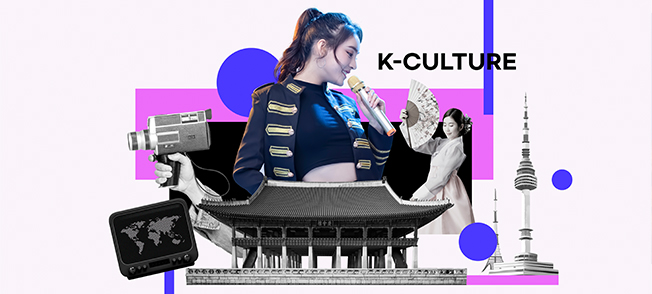
I dreamed of wearing a hanbok under cherry blossoms, walking along the coast of Busan, and standing in awe at Gyeongbokgung Palace. But while searching for structured, educational resources to understand Korea more fully, I came across the Understanding Korea materials developed by the Academy of Korean Studies (AKS). These resources deepened my appreciation for Korea’s heritage and showed me how Korea sees itself and wishes to be understood. However, they also made me wonder: why are these materials not more widely used or promoted in places like mine? This essay explores the current use of AKS materials and suggests how they can be more effectively shared with the world—especially in developing regions and among passionate youth like me.
The Value and Current Use of Understanding Korea Materials
The Understanding Korea series, developed by the Academy of Korean Studies, is one of the few resources that introduces Korea with academic depth, cultural richness, and a global mindset. These materials include booklets, essays, and visual content that explore Korean history, values, society, and everyday life. In some countries, they are used in Korean Cultural Centers, university Korean Studies courses, and during cultural events such as Hangeul Day. They help learners look beyond K-pop and discover Korea’s philosophies, social structure, food culture, and educational systems.
However, in many regions—including South Asia—these materials are underutilized. Students like me often find them by accident rather than through formal education or public libraries. While freely available online, most students don’t know they exist or don’t know how to use them. Because of this, many continue to see Korea only through entertainment, without understanding the deeper identity and achievements of the nation. If made more visible and easier to use, these materials could help turn casual interest into lifelong learning.
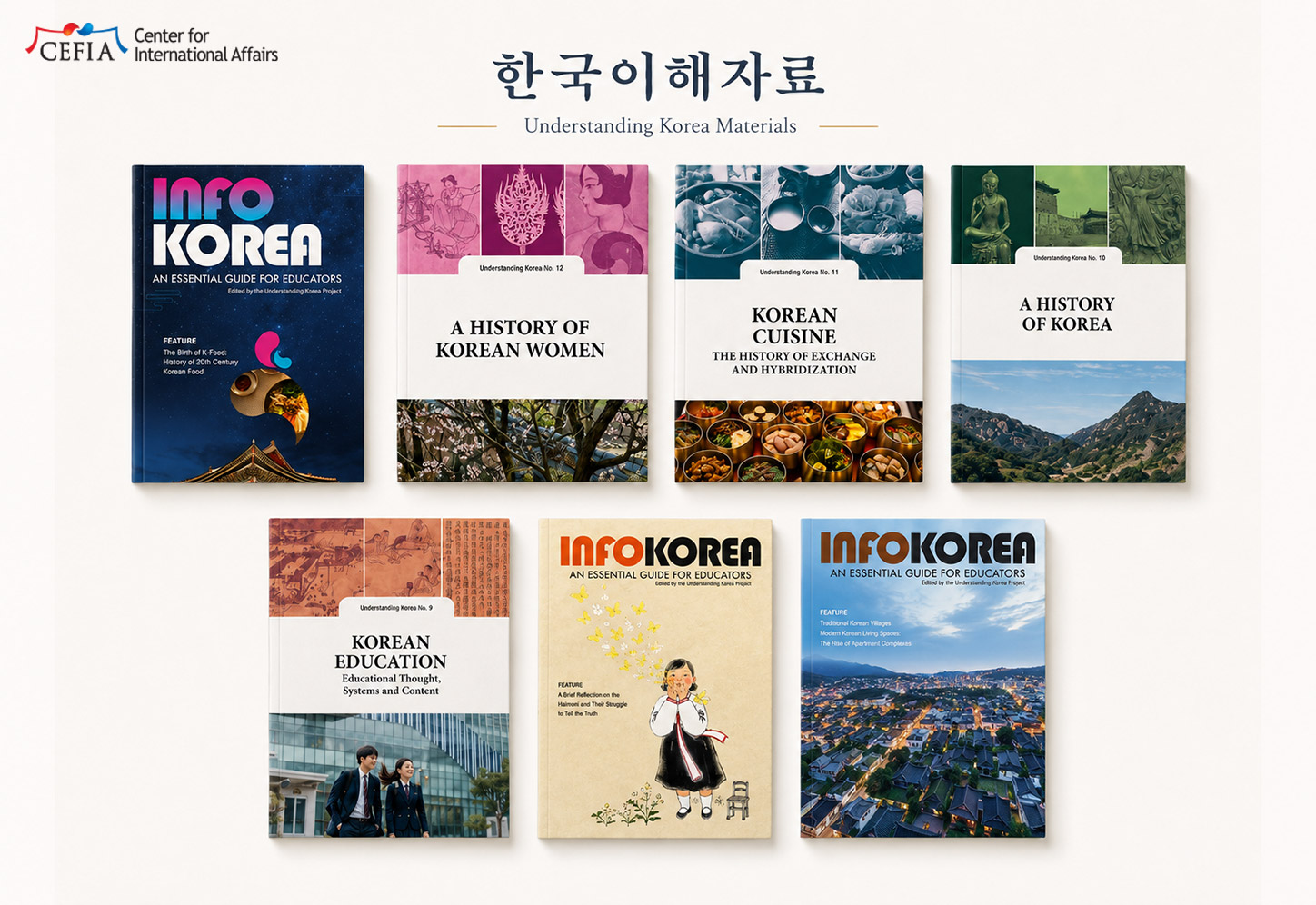
→ View Understanding Korea materials
Barriers to Wider Access and Use
Despite their value, several barriers still prevent Understanding Korea materials from achieving their full impact. In my region, few schools or cultural institutions promote them. They are mostly available only in Korean and English, making them inaccessible to students who speak Bengali, Hindi, or other regional languages. Although I’ve completed Korean language training and passed a TOPIK exam, I’ve seen how challenging it is for beginners to navigate these materials—especially fans who want to transition from entertainment to education. In fact, I participated in online classes specifically designed for K-pop fans interested in learning Korean, and many of them struggled to find reliable, culturally-rich learning materials.
Another challenge is the lack of inclusive versions of these resources. Visually impaired learners could benefit from audio versions, and deaf students need sign-language adaptations. In rural areas or underdeveloped communities, poor internet connectivity makes digital access to AKS materials nearly impossible. These gaps must be addressed so that every learner, regardless of location or ability, can explore Korea through quality content.
Suggestions for Expanding the Impact of Understanding Korea Materials
To make Understanding Korea materials more impactful, I propose several improvements. First, translation into more languages—especially Bengali, Urdu, and other major Asian languages—would allow AKS content to be used in schools, libraries, and fan communities. Second, AKS could work with Korean embassies and Cultural Centers to organize “Korea Learning Circles” or fan-education workshops. These would combine fun with education—using AKS materials to explain Korean history through games, storytelling, or project-based activities.
Digital outreach should also be strengthened. Short, engaging videos (e.g., “Did You Know Korea?”) based on AKS content could be shared on YouTube or Instagram to attract younger learners. A mobile app or interactive platform could guide users through Korean culture with quizzes, timelines, or augmented reality maps.
One exciting idea is to build AKS-based content specifically for K-pop fans—helping them learn Hangeul, explore historical references in lyrics, or understand Korean customs shown in idol performances.
Lastly, inclusivity must be prioritized. Versions of the materials should be created for blind and deaf learners, and simplified formats should be available for children or beginners. With such changes, Understanding Korea materials could reach every classroom, community, and curious heart.
From Fan to Future Global Learner
Korea has already touched the world through its music and media. But now, it is time to share the deeper Korea—the one rooted in resilience, wisdom, and identity. The Understanding Korea materials helped me transform from a passionate fan into a motivated student of Korean culture. They became a bridge, allowing me to cross from curiosity to cultural understanding.
My dream is not just to visit Korea, wear hanbok, or attend a concert. My dream is to study there, contribute to its society, and help others like me discover the beauty of its culture. If these materials are expanded, translated, and shared more widely, many more students across the world will take their first step—not just toward Korea’s entertainment—but toward its soul. And that, I believe, is the beginning of true global understanding.
The Understanding Korea Project helped me go from being a fan to a future global learner. It gave me the language, the tools, and the mindset to see Korea not just through a screen, but as a place I want to live, learn, and contribute to. I dream of wearing a hanbok under cherry blossoms in Gyeongbokgung—not just as a tourist, but as a student who understands the story behind every tradition.
In a world where soft power is as vital as economics, the efforts of AKS are building meaningful bridges—one reader at a time. With more adaptive, accessible, and youth-friendly content, especially designed for K-pop and K-drama fans, they can inspire millions like me to move from admiration to true understanding.
I hope to one day walk the halls of a Korean university, not just as a scholarship student, but as someone who can proudly say: I studied Korea, I understood Korea, and now I want to give back to Korea. The journey that began with a melody has become a mission.
Because I’m not just dreaming of Korea anymore—I’m preparing for it, one word, one story, one step at a time.