When a K-Drama Became the Beginning
The first time I heard Korean, it wasn’t in a language class. It wasn’t through a cultural exchange program or a fancy textbook. It was in my little dorm room, late at night, eyes half-dreaming, when I stumbled upon a K-drama that would change my life. The show? True Beauty. The moment? When Suho said something that my subtitles translated as, "You're beautiful even without makeup."
Wait. What? I sat up. Who says that? Who talks like that? The language sounded like a lullaby sprinkled with stardust, even if I had no idea what they were saying. I didn’t understand a single word, but it moved me. It was the first time I felt connected to something far, far away—Korea.
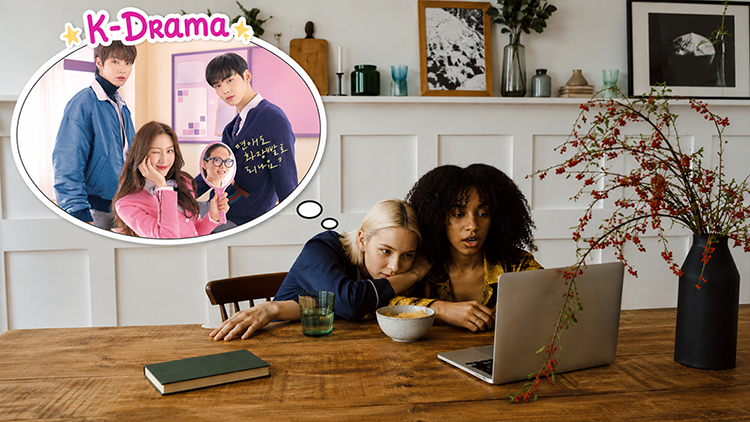
That was in 2024, when I was in Secondary Five. I was supposed to be focused on Math equations and programming, but my heart had suddenly grown a soft spot for Hangul letters and spicy noodles. That night, I didn’t just start a K-drama binge. I started a journey. One that would lead me not just to a Korean language learning app, but to discovering a part of myself I never knew existed.
Falling for Hangeul, One Syllable at a Time
Learning Korean wasn’t easy. Trust me, my tongue had never flipped like that before. I remember staring at my screen, trying to pronounce 안녕하세요 (annyeonghaseyo) without sounding like a hiccupping robot. But I was determined. I downloaded every free app I could find, replayed every line from True Beauty as if it were my national anthem, and even started writing my diary entries in broken Korean.
At first, it was clumsy. I said "gamsahabnida" with too much spit and mistook "yo" for a name. But with every mistake, I learned. I felt like I had entered a secret world. Every time I understood a new word, it felt like cracking a code. I even convinced my friends to join me. I’d play Kpop songs in the dorm, casually drop K-drama lines in conversations, and before long, I became the ambassador of K-everything in my school. My friends, first confused, then curious, started asking, "What does 'saranghae' mean?" and I’d proudly explain, my heart doing somersaults. Slowly, I watched them fall in love too—with the music, the dramas, the language, and eventually, the country.
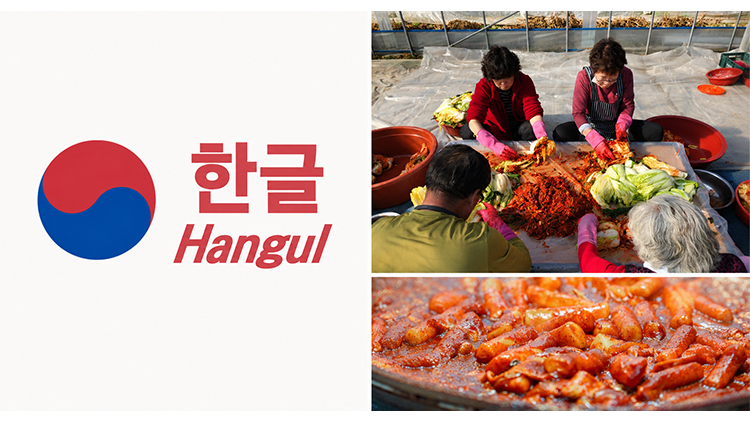
My First Taste of Korea: Quite Literally
Everything changed the day I entered the Korean Singing Contest in Rwanda. I was nervous. My heart was doing backflips. I had never sung in Korean before an audience, and here I was, standing in front of judges, trying to remember every syllable, every emotion.
And guess what? I made it to the finals.
After my performance, a lady walked over and said, "Come try this." It was kimchi. I had seen it in dramas a million times, but this was real. I tasted it and nearly cried. It was spicy, sour, alive, and electric—like everything I felt when I thought about Korea. That night, it wasn’t just about winning or losing. I had stepped a little closer into the world I dreamed of. I didn’t just eat Korean food; I felt Korea.
I later tried cooking Korean food at home. It was an emotional, slightly chaotic event. Let’s just say my first attempt at making tteokbokki could’ve been mistaken for lava. My family? They ate it with forced smiles and gallons of water. But I could tell—they felt my passion, even through the pepper.
Understanding Korea, One Feeling at a Time
To some, Understanding Korea materials might seem like brochures, videos, or language textbooks. But to me, they’re mirrors. They helped me see parts of myself I hadn’t discovered. Learning about Korean cuisine, especially the idea of kimjang (the communal making of kimchi), reminded me of our traditions in Rwanda—how food isn’t just food, it’s a story, a connection, a memory.
Learning Hangeul wasn’t just about writing pretty letters; it was like listening to Korea’s heartbeat through its alphabet. Every consonant and vowel combination brought me closer to a country that, strangely enough, started feeling like home.
The more I explored Korean history and culture, the more I saw the beauty of resilience. Korea’s story—one of colonization, war, division, and miraculous growth—wasn’t just about geopolitics. It was about hope. About rising. About starting again, even when it seems impossible. That message was deeply personal for me, as a young African girl dreaming beyond borders.
When My Friends Caught the K-Bug
One by one, my friends started changing. Exauce began learning Korean to understand BTS interviews. Aimable, the guy who once laughed at my obsession, now sends me K-drama memes at midnight. We created a small K-culture community in on social media. We called it "Kimchi Sisters & Oppas".
Together, we watched historical dramas, cooked rice with way too much sesame oil, and challenged each other to memorize K-pop lyrics. We even had a little ritual: every Friday, we’d gather and learn a new Korean word, then use it all week. We weren’t just learning a language. We were building bridges. Between Rwanda and Korea. Between curiosity and culture.
We even held our mini-Hangeul Day celebration—printing our names in Korean, hanging paper lanterns, and presenting short skits inspired by K-dramas. My teachers watched, amused and impressed. It was the first time I saw school blend with joy.
Culture as Empathy
The materials used to help people understand Korea aren’t just about facts. They're about feelings. They create moments. Like crying at a drama scene because you finally understood a word without subtitles. Like making bibimbap and realizing you prefer it to pizza. Sounds crazy, right?. Like singing Korean lyrics in front of strangers and realizing you're not afraid anymore.
Understanding Korea is about empathy. It’s realizing that people across the world might look different or speak differently, but we all love, dream, cry, and hope. And through Korea, I began to understand not only another culture, but my humanity.
So, What Next?
Well, I have a dream. One day, I want to study in South Korea. I want to walk the streets of Seoul, order street food in Korean, visit the King Sejong statue, and just sit there, whispering, "감사합니다" (Thank you). I want to explore how Korean culture is understood globally, and help shape that understanding through creativity, warmth, and honesty.
But until then, I want to propose something to those who create "Understanding Korea" materials. Let them be more about lived stories. Here’s what I would create—heart-first, budget-friendly, and full of soul:
Ideas for Lived Stories
A writing project where foreigners write personal letters to Korea. Honest ones. “Dear Korea, today I tried learning your language, and it made me cry, but I’ll try again tomorrow.” These letters would be translated and shared with Korean students who could write back. No textbook teaches as deeply as a shared emotion does.
A small kit that includes Korean recipes, a guide to the meaning behind each dish, and space for students to write their own food stories. I’d write about how in Rwanda, we share boiled plantains as comfort. Food connects us more than flags ever can.
A podcast or YouTube series where foreigners talk about their Korean learning journey. No scripts. Just truth. Like: “Today, I wrote my name in Hangeul. It felt magical.” Or, “I sang IU’s song and my voice cracked, but my heart flew.” It reminds us that struggling to understand Korea is already a kind of love.
For instance, let Rwandan and Korean teens make mini-documentaries of their daily lives using phones. A day in the life of a Rwandan student vs. a Korean one. Both are preparing for exams. Both dreaming. Suddenly, we’re not strangers—we’re mirrors.
Helping the World Feel Korea
Because if we want the world to understand Korea, we must first help the world feel Korea.
To the Reader Reading This...
I don’t know where this path will take me exactly. Perhaps one day you’ll see me studying at a college in South Korea, dancing at a K-pop flash mob in Hongdae, or even teaching others how to love Korea as I do. Or maybe you’ll find me back home in Rwanda, starting a Korean cultural center in a small village, making sure no other young dreamer has to discover Korea by accident.
All I know is this: Understanding Korea changed my life. And I want to help others experience that same magic.
And if you’re still reading this, and you’re smiling a little, maybe wondering what kimchi tastes like—that means it’s already working.
Let’s build a world where culture isn’t a stranger, but a friend. Where Hangeul letters feel like hugs. And where a girl from Rwanda can say "안녕하세요" to the world—and the world answers back.