When I first encountered Korea, it was through Korean dramas. I was just simply amazed by the stories I had watched. But earlier this year, I found BTS, their music, the messages they wanted to convey to the world. They led me into the world I never knew I needed – full of passion, artistry and cultural depth. They are the reasons why I am writing now, trying to be a voice that can inspire and influence other people across borders.
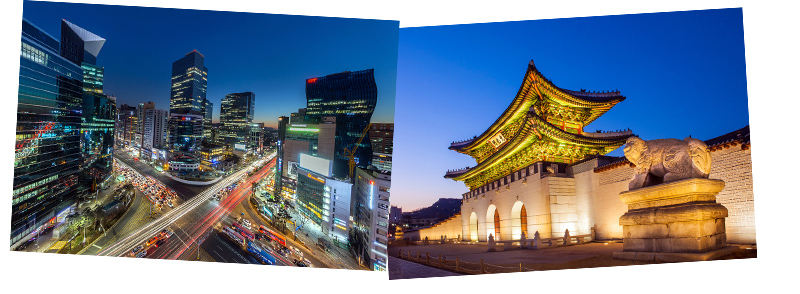
At first glance, Korea sparkled – Seoul’s lights, cinematic stories, unique traditions, and the perfection of its global icons. But as I looked deeper, I found a country that needs to be heard, needs to be healed. This essay is both my reflection and my call for action.
As an ordinary human being I was troubled by the news about the growing suicide cases in South Korea. This curiosity led me to research about the nation’s mental health status.
I found that, according to 2023 data from Statistics Korea, South Korea had the highest suicide rate among OECD countries, at 25.2 deaths per 100,000 people in 2022. The highest rate of suicidal plans is from people with mental health disorders (83.3%), while it is 7.2% for patients who have been clinically diagnosed and received care. Among the general population, 2.5% made suicidal plans, 10.7% had suicidal ideation and 1.7% attempted suicides (Statistics Korea, 2023). These numbers are not just statistics but a representation of the emerging societal problem that needs to be healed. These numbers display their silent screams that often go unheard by the rest of the world.
“The depression slowly devoured me. I couldn’t beat it” (Kim, 2017).
I was deeply shaken when I read SHINee’s Jonghyun’s final letter. His death opened my eyes to the other side of the image I had fallen in love with—a reality where perfection is demanded, but healing is not always offered.
Even BTS, the group that helped me make bold choices and encouraged me to believe and love myself more, has spoken openly about their inner battles. Min Yoongi once said, “We’re not special people. We go through the same struggles and emotions. We’re just expressing it through music” (Bangtan Bomb, 2018). How could someone so admired still feel so ordinary—so wounded? If they are struggling, what about the thousands of people in Korea who do not have a platform to be heard?
Min Yoongi once stated, “I have two dreams, and one is to be an old, white-haired man still standing on stage and playing his guitar and singing, and the other is to become a licensed psychological therapist” (Beyond the Story: 10-Year Record of BTS, 2023). His personal aspiration reflects his deep awareness of the growing mental health crisis in South Korea. If this is not a pressing concern, why would one of the most influential artists express such commitment to becoming a therapist someday? His words highlight a truth often neglected in Korean society that mental health issues require serious attention and professional care.
Recently, Min Yoongi made headlines not because of music, but for a compassionate act. On June 23, 2025, right after completing his military social service, he donated 5 billion Korean won (approximately USD 3.6 million) to establish the Min Yoongi Treatment Center at Yonsei Severance Hospital in Seoul. The center aims to provide integrated treatment for children and adolescents with autism spectrum disorder. His donation showed not only unconditional love and care for the people but also a cultural statement. It signified a shift in Korea’s international image from polished perfection to emotional authenticity. It sent a message that healing, empathy, and emotional care are part of Korea’s evolution. His actions mirrored the very resilience that so many young Koreans are silently trying to embody. Yoongi did not just create short-term or temporary aid to the patients in need but provide long-term plans, actions, and treatments to ensure that every person in need receives proper care. His love for his fellow citizens is limitless and selfless. It’s no surprise that his actions have resonated with people globally, including foreigners like me.
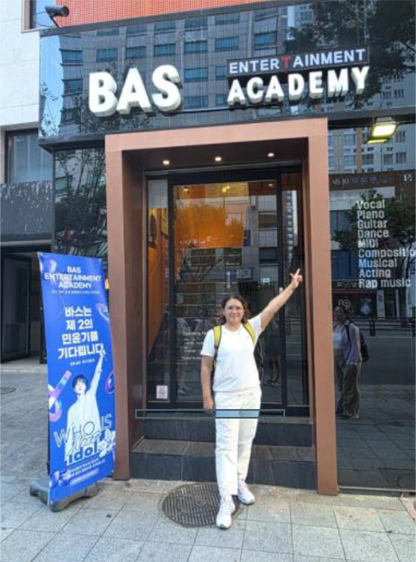
I recently visited Korea and walked the streets of Daegu—Yoongi’s hometown. As I walked towards BAS Academy (a place where Yoongi was given proper training in music composing and producing), I remembered his story of choosing between food and transportation. I became emotional because I knew that struggle. I, too, had faced a difficult decision between survival and dreams. Where I had to choose between going to school and on taking part-time job to bring food to our table. That was the moment Korea became real to me—not just a beautiful nation, but a country of quiet fighters. And believe it or not, something in me calls it home. As I write this, I feel an invisible thread connecting me to Korea, pulling me back to give something in return. I long to see the smiles of the children, the rush hours of working adults and the calmness of the elderly. More than just a country, Korea felt like home to me – a place where struggle, strength, and soul meet.
If given the opportunity, I hope to return to Korea not just as a tourist, but as a volunteer working with schools or communities where I can observe their daily life and understand the emotional rhythms of the people. Being in such a place would allow me to see beyond statistics and truly grasp the lived experiences behind the mental health challenges I’ve researched. I also dream of studying Korean language in Korea, so I can better connect with locals and listen to their stories firsthand. Language, after all, is not just a tool for communication – it is a gateway to empathy.
As I continued loving Korean culture and language deeper, I now believe that Korea’s international image should reflect not only its excellence but also its evolution. To fully understand Korea is to recognize both its brilliance and burdens. We must highlight Korea’s growing openness to mental health awareness, the voices of its youth, and the cultural shifts toward emotional well-being. These stories are just as inspiring and just as important as any K-drama plotline or pop song.
Grounded with both research and my emotional experiences in Korea, I offer the following proposals intended to boost worldwide empathy while aiding Korea’s internal transition to emotional health:
More than 83% of suicide attempts in Korea are linked to individuals with undiagnosed mental health disorders (Statistics Korea, 2023). This necessitates a nationwide campaign to inform the public about the early signs of mental health problems, encourage them to seek professional attention, active hotlines for 24/7 counseling, reassure them that society is listening, that all they must do is to trust and speak up for whatever situations they are dealing with. These actions will help them feel that they are not alone in every silent battle they are facing, thus reducing the suicide rate in the country.
Proposal to revise the curriculum to include mental health modules designed for Korean society. Stories and documentaries can go beyond academic success and reflect emotional and psychological challenges behind the nation’s prestige. This approach not only deepens the understanding within Korean society but also attracts international audiences that can foster empathy and hope through the resilience of its people.
Mental health support must be accessible, creative, and culturally designed. Expand access to community-based clinics and make school counseling mandatory across all levels of education. Just like the MIND program, music and art can be a form of comfort and healing of an individual.
Public figures such as BTS, IU, and other K-pop artists who have openly addressed mental health struggles should be recognized as official wellness ambassadors. Their influence can break stigma around therapy and can encourage open emotional expression and inspire people to adopt healthier ways of coping with life’s challenges.
Create cultural exchange programs focused on mental health awareness and digital storytelling. Let Korean and international students come together to share their experiences. This shared space will not just connect them through culture but will help build a deeper bond rooted in honesty, empathy and emotional understanding.
To reshape Korea’s international image, we must be willing to embrace its full humanity not just its triumphs, but its trials. Mental health is not a blemish on Korea’s progress; it is the battleground of its next transformation. The stories of its artists, youth, and everyday people reveal a nation learning that vulnerability is not weakness, it is the birthplace of real strength.
Korea is no longer just a dream I admired from afar. It is a mirror of my own hopes, my struggles, and my longing for meaning in a world that often demands perfection. I believe that the most beautiful story Korea can offer to the world is not just its language, not perfection, but of a nation that dares to be honest, to be real, to heal, and to grow. And if the world listens—not just to its music, but to its silences—then perhaps we can finally understand Korea, not just as a global brand, but as a brave, evolving soul.
I write because I care. And I believe that when truth is told with care, it can change not just perceptions—but lives.